
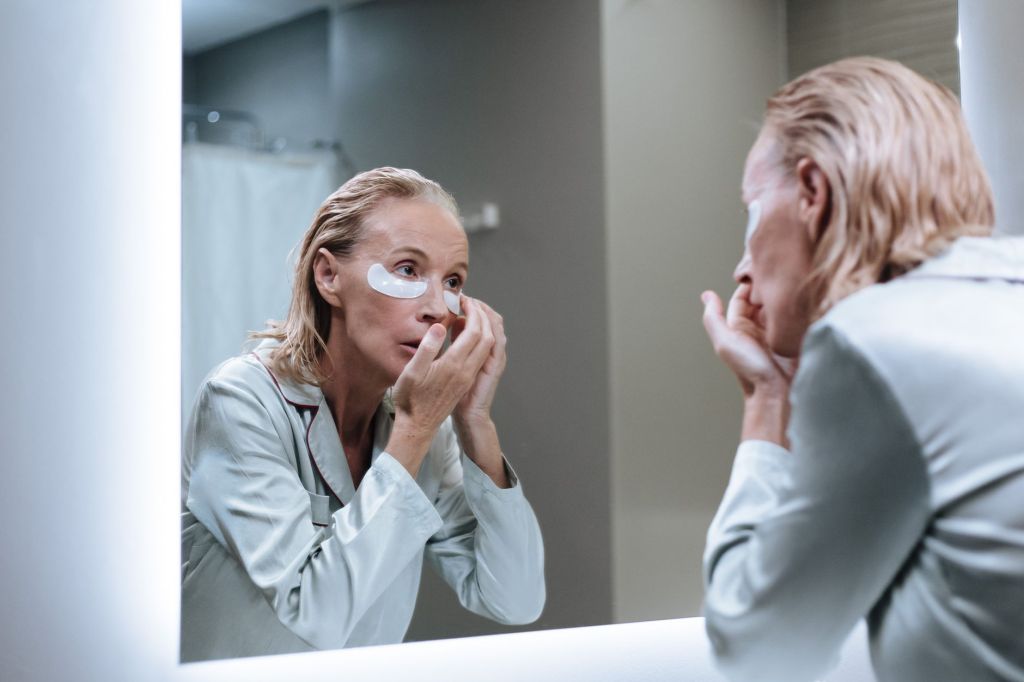
Thinning skin is something I notice in almost every client I treat, and its effects reach far beyond appearance. Skin naturally becomes thinner, drier, and more fragile with age as collagen and elastin production decline, oil and sweat glands become less active, and the fatty layer beneath the skin diminishes. This makes older adults far more prone to bruising, tearing, and slow-healing wounds, even from minor bumps that would never have caused an injury earlier in life, a pattern I’ve observed consistently throughout my career in skilled nursing, assisted living, and home health settings.
Dry, thin skin also means that everyday tasks like adhesive bandage removal, transfers using a gait belt, or even repositioning in bed carry a higher risk of skin tears, which is something I train caregivers and family members to be mindful of constantly. Sun exposure over a lifetime accelerates this thinning process, which is why sun-damaged skin on the forearms and hands often looks noticeably thinner and more fragile than skin that has been more protected. Nutrition plays an underrated role here too, since adequate protein, hydration, and key vitamins and minerals support the skin’s ability to repair and maintain itself.
Practical skin care makes a real difference for the older adults I work with. A gentle, fragrance-free moisturizer applied daily helps replace lost oils and reinforce the skin’s protective barrier, and I often recommend applying it right after bathing while the skin is still slightly damp. Lukewarm rather than hot water, mild cleansers, and avoiding excessive scrubbing all help preserve the skin’s remaining natural oils. Protecting the skin from sun exposure with clothing or sunscreen, staying well hydrated, and wearing long sleeves or shin guards during activities with a fall or bump risk are simple steps that can prevent painful skin tears.
Because skin health is tied so closely to nutrition and hydration from within, some people also look to supplements that support collagen production and skin elasticity as part of a broader skin care routine. As always, I encourage clients to discuss any new supplement with their doctor first, especially if they take blood thinners or manage chronic health conditions, since what works well for one person’s skin may not be appropriate for another.
Product I recommend: Collagen Biotin Supplement with Hyaluronic Acid and Keratin
As an Amazon Associate, I earn from qualifying purchases.


Leave a Reply